GetGenie
WordPress Gutenberg based AI Plugin. Perfect for generating SEO optimized content for your websites and Blogs.
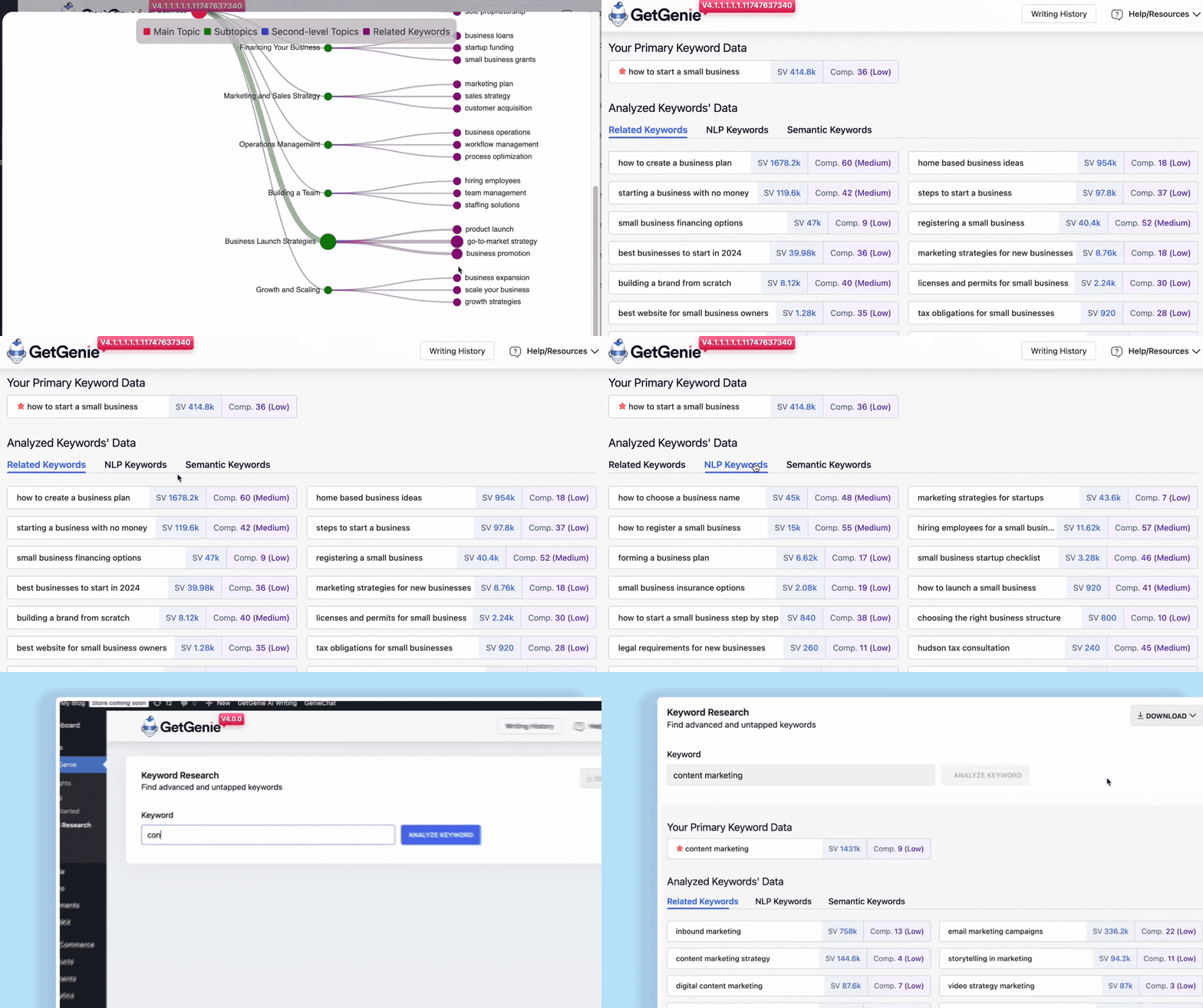
GetGenie is an advanced AI-powered writing assistant engineered as a WordPress Gutenberg block plugin. As the Senior Designer and Frontend Developer, my mandate was to design and construct a highly interactive, responsive interface that bridges complex machine learning models directly into the WordPress editor workflow, giving content creators a seamless experience.
Identifying Gaps in the Crowded AI Content Market
Competitors forced users to constantly copy and paste text between external AI web portals and the WordPress editor. Furthermore, these platforms suffered from linear, static interfaces that lacked real-time SEO insights, had poor mobile usability, and frequently caused block validation crashes inside the Gutenberg environment due to state synchronization conflicts.
Workflow Analysis & Architecture Constraints
Analyzing Content Friction Points
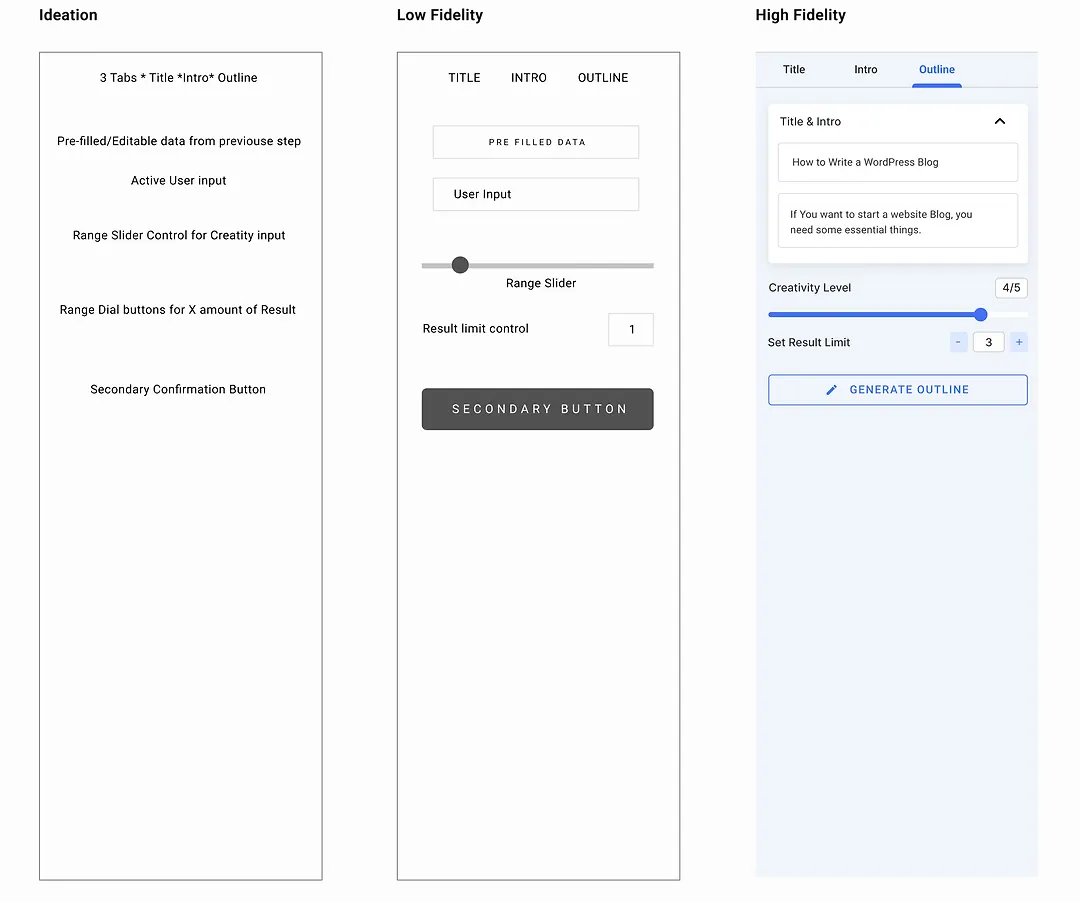
We conducted extensive user testing and mapped out the typical writer's workflow. We discovered that switching between multiple keyword planners, SEO audit checkers, and drafting environments reduced productivity by 40 percent. Our goal was to unify these features inside a singular, context-aware sidebar.

State Sync & Block Validation Failures
Our technical audit of existing block-editor integrations revealed that heavy React updates inside WordPress frequently locked the main UI thread. When rich text blocks were saved, the background meta data structure drifted from the frontend state, triggering WordPress block validation errors.

Cascading API Timeout Crashes
During server load spikes, AI generation API calls frequently timed out. Because the standard Gutenberg block framework was not designed for long-running asynchronous network operations, these unhandled timeouts caused the browser context to crash, wiping out the writer's unsaved local document progress.
Environmental Integrity Constraints
Since the plugin operates on self-hosted WordPress environments globally, it had to run smoothly across varying PHP version levels, strict Content Security Policies, and restricted cross-origin permissions that blocked standard API endpoints.
A Unified Interface for SEO & Writing
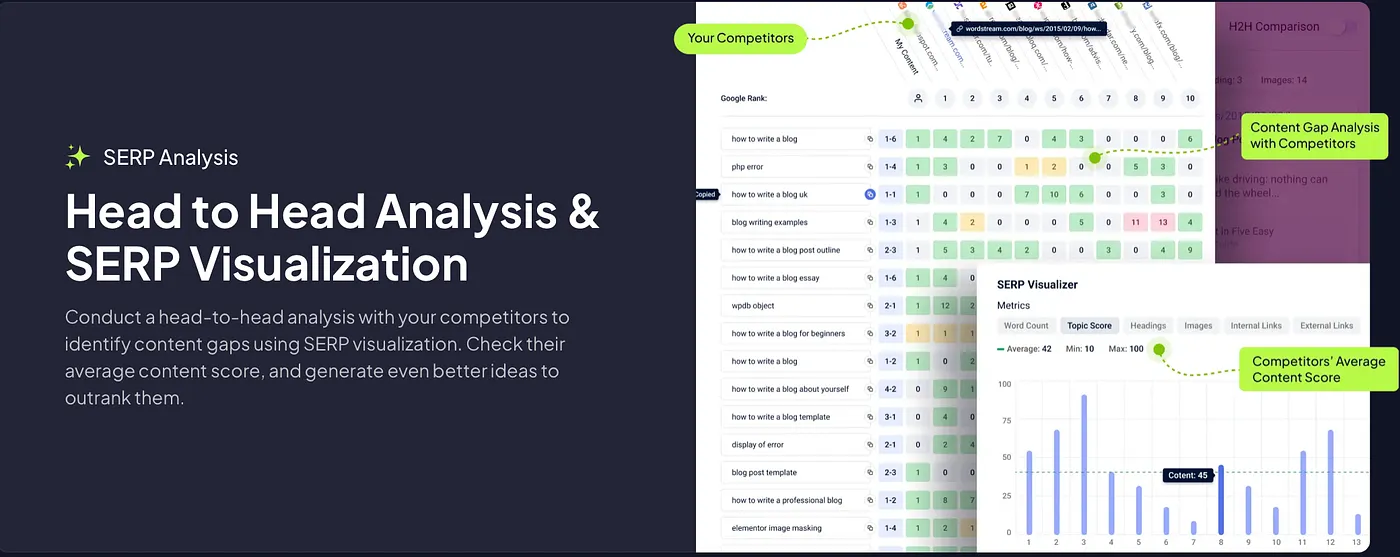
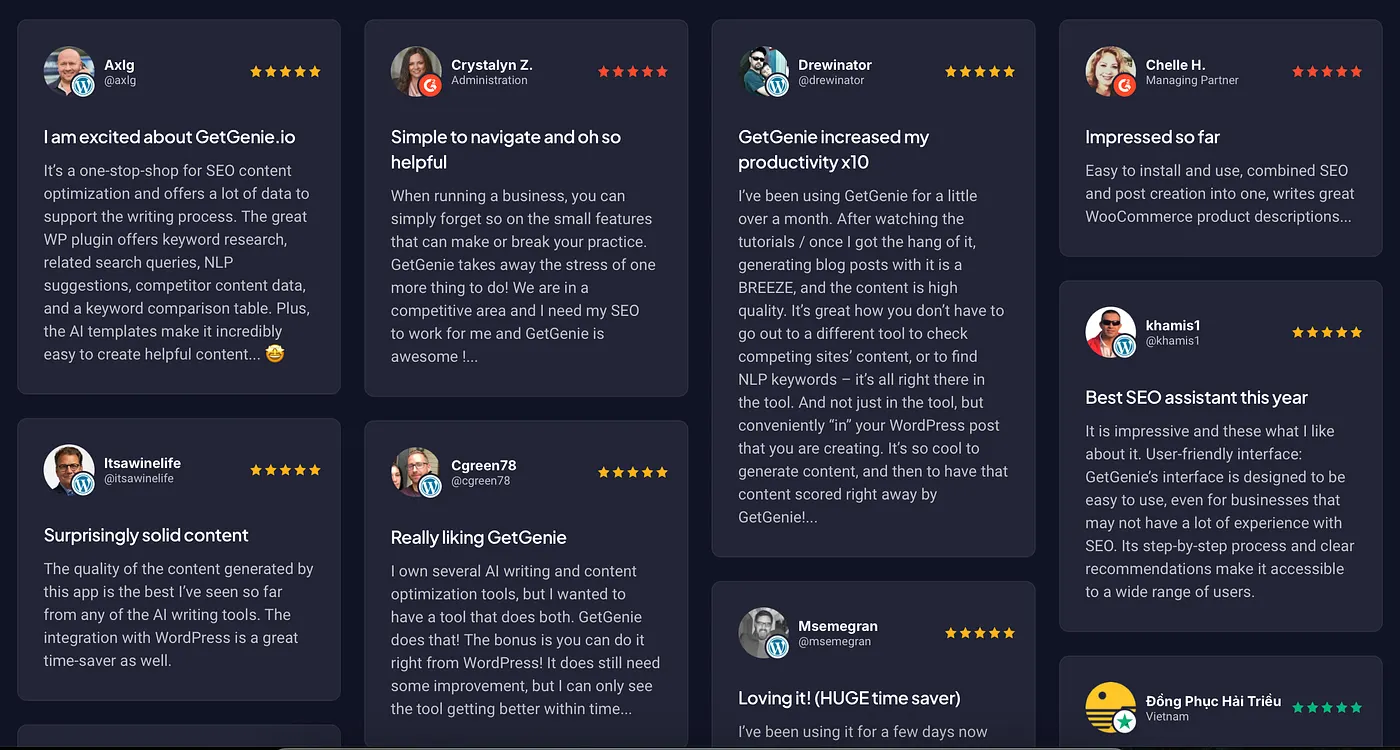
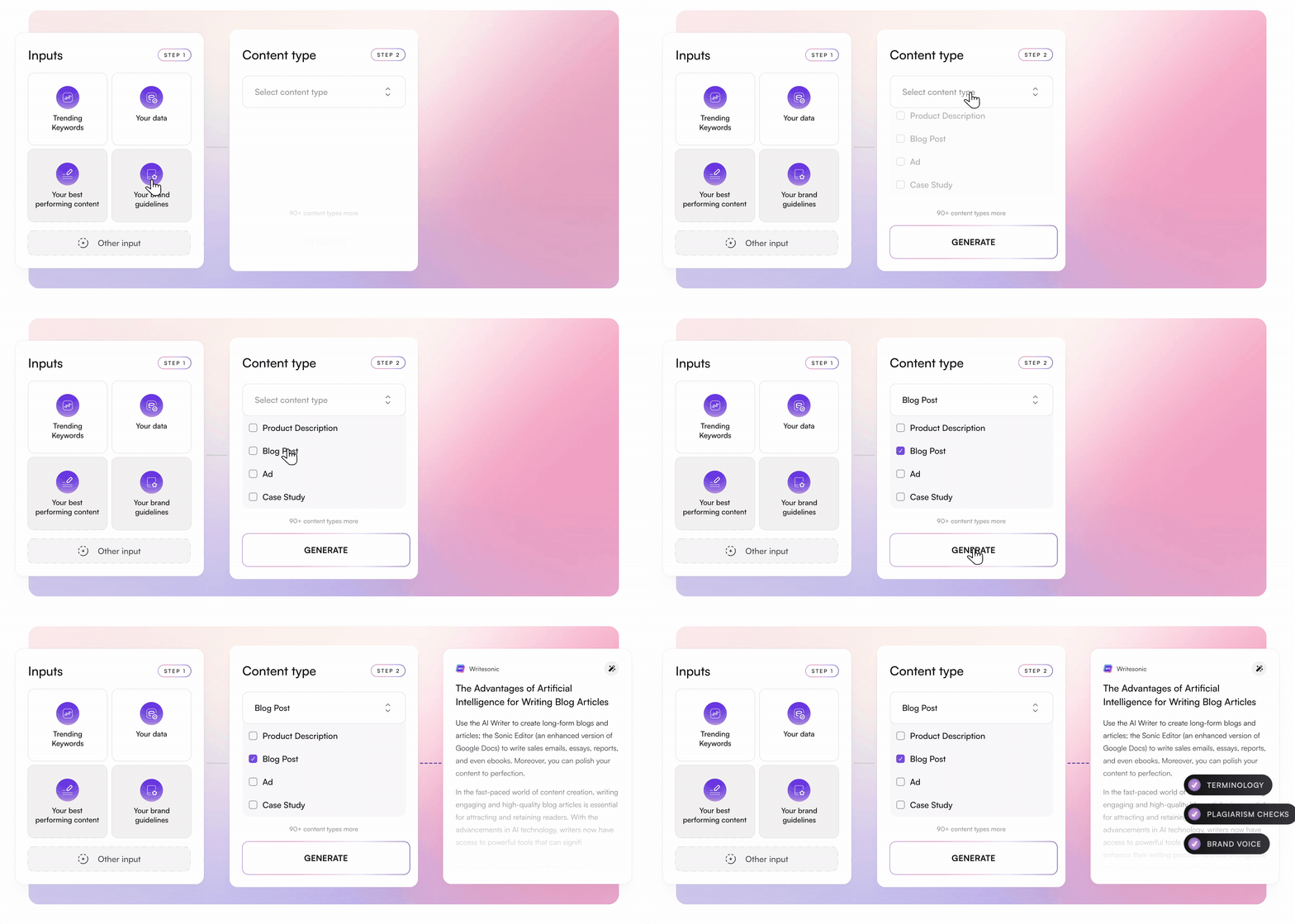
We architected a responsive, React-based dashboard embedded directly into the Gutenberg system. By designing the One-Click Blog Wizard, integrating AI Image Magic, and developing competitor head-to-head analysis components, we provided writers with a complete workspace that runs natively within their existing content system.
- One-Click Blog Wizard: Generates SEO-optimized articles from keyword inputs within 60 seconds.
- AI Image Magic: Delivers high-quality contextual visual assets using simple inline interface commands.
- SERP Visualization: Renders intuitive competitor charts to highlight and bridge critical search gaps.
Decoupling React State from WordPress Engine
To solve the block validation crashes, we decoupled the temporary React sidebar configuration state from the persistent Gutenberg post database. We built a custom state bridge using WordPress data modules, functioning as a unidirectional data store that processes AI generation requests in isolated memory before saving sanitised text to the block parser.
High-Performance Data Visualization
The competitor SERP analysis engine required rendering complex charts and graphs. To prevent layout thrashing and UI lag on lower-end devices, we implemented virtualized list rendering, strict component memoization using React.memo, and debounced critical text parsing events to keep main thread execution under 16 milliseconds.
Isolating Network Layers via Error Boundaries
To prevent API timeouts from taking down the editor, we wrapped the AI block configurations in React Error Boundaries and introduced an optimistic draft-saving hook. If a network endpoint fails, the system automatically saves the text state locally and falls back to a clean input form with status warnings instead of breaking the page.
Dynamic Proxy & Adaptive Endpoint Routing
We engineered an adaptive client-side transport layer that intercepts outgoing REST API requests. If a cross-origin error or server firewall restriction is detected, the plugin dynamically routes data through a fallback sandboxed proxy on the client side, ensuring a high connection success rate on any host.
Efficiency & Performance Scale
Writers reported a 10x increase in speed, cutting typical content production time down from hours to minutes. By optimizing build sizes, applying code-splitting, and tuning render loops, we achieved a clean 90 plus Lighthouse performance score with zero block invalidation crashes in production.