FujiFilm Diosynth
A Data intensive Dashboard for FujiFilm Biotech Laboratories. A multi-tiered and interactive web app redesigned.
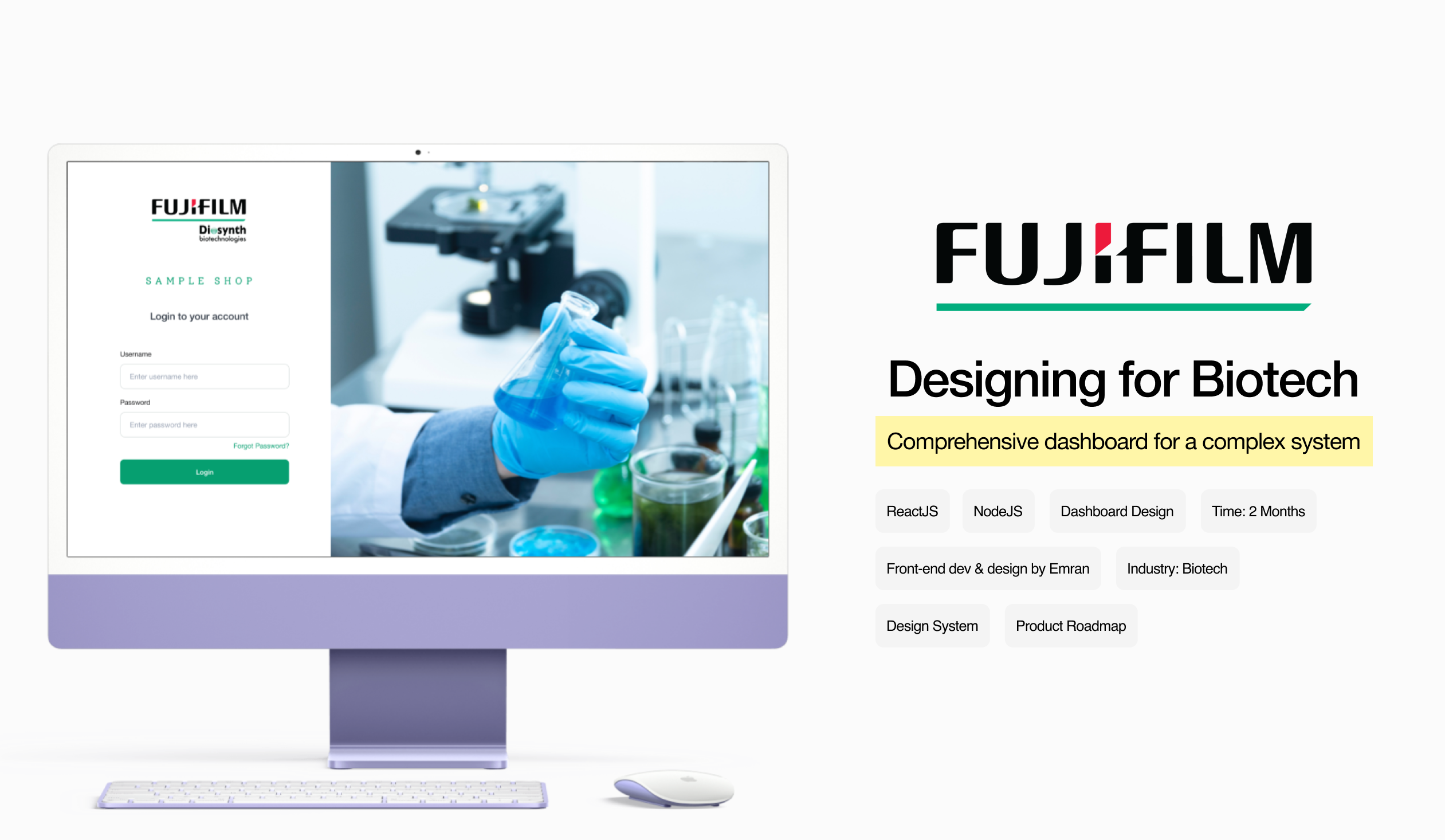
Navigating a Rigid & Fragmented BioTech Landscape
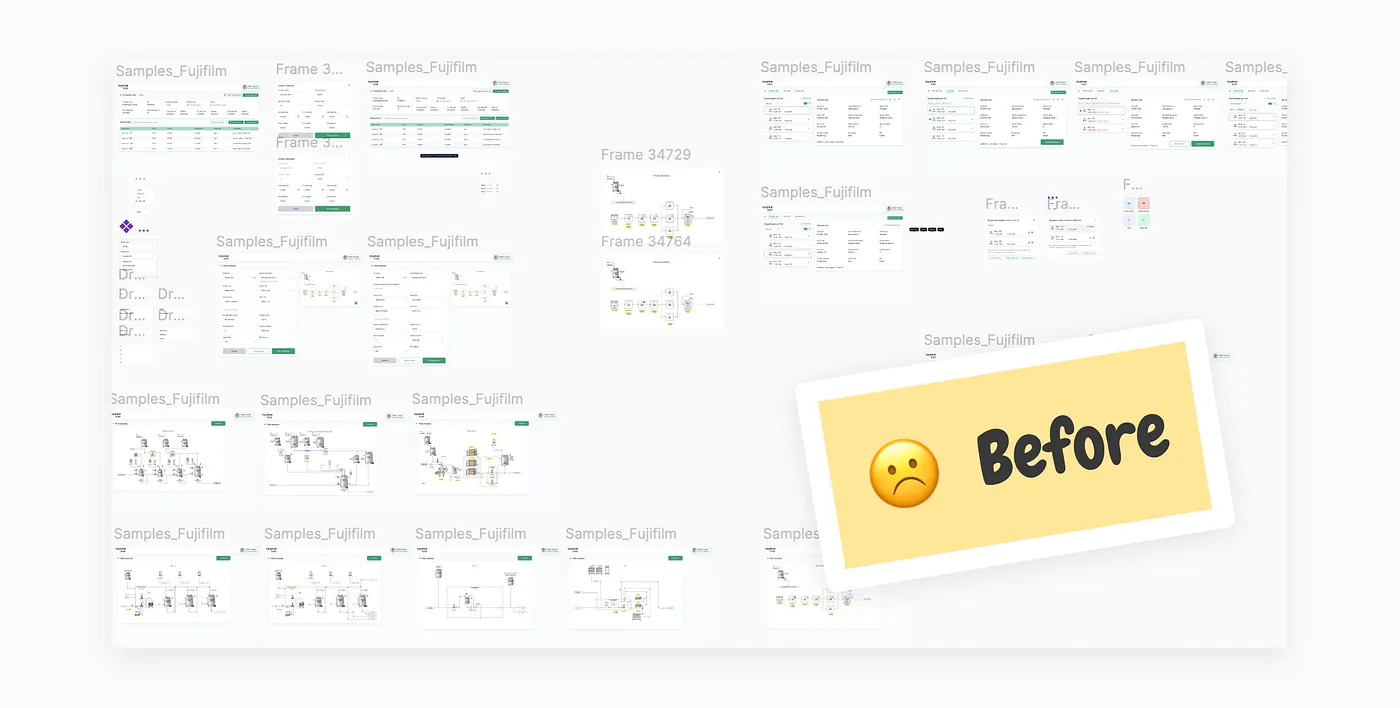
The initial state was a 'mess of interconnected tasks' where data points were haphazardly linked without hierarchy. Scientists and Lab Admins struggled with non-linear information flows and 'tasks within tasks' that made discovering the next logical step a cognitive burden.
Atomic Scalability & Thick Data Strategy
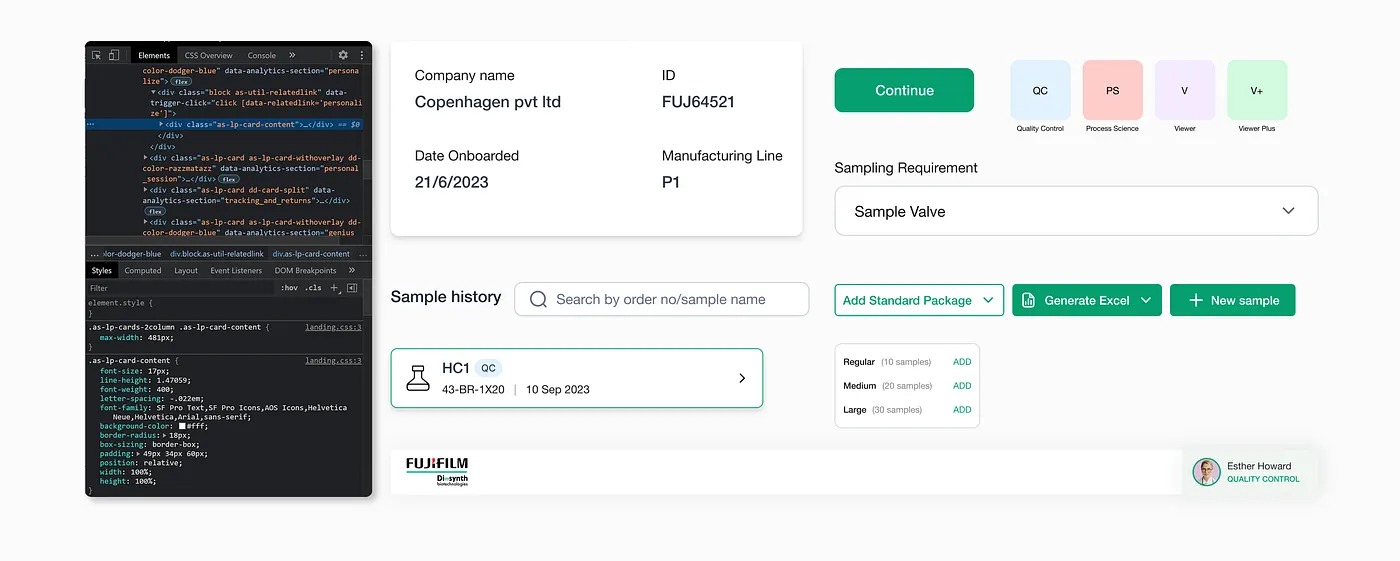
Leveraged 'Thick Data' (qualitative user insights) to shape a personal, intuitive UX. Implemented an Atomic Design System specifically focusing on reusable Organisms and Templates to handle multi-tiered roles (Admin, Scientist, QC, Super Admin). Established a logical data tree to eliminate nested task confusion. Design system with atomic approach, Primarily focusing on building reusable components using the atomic design approach. Doubling down on Organisms and Templates mostly. It was important for Fujifilm to operate while being mobile, So responsiveness, saved sessions, cached data was very much important throughout the process.
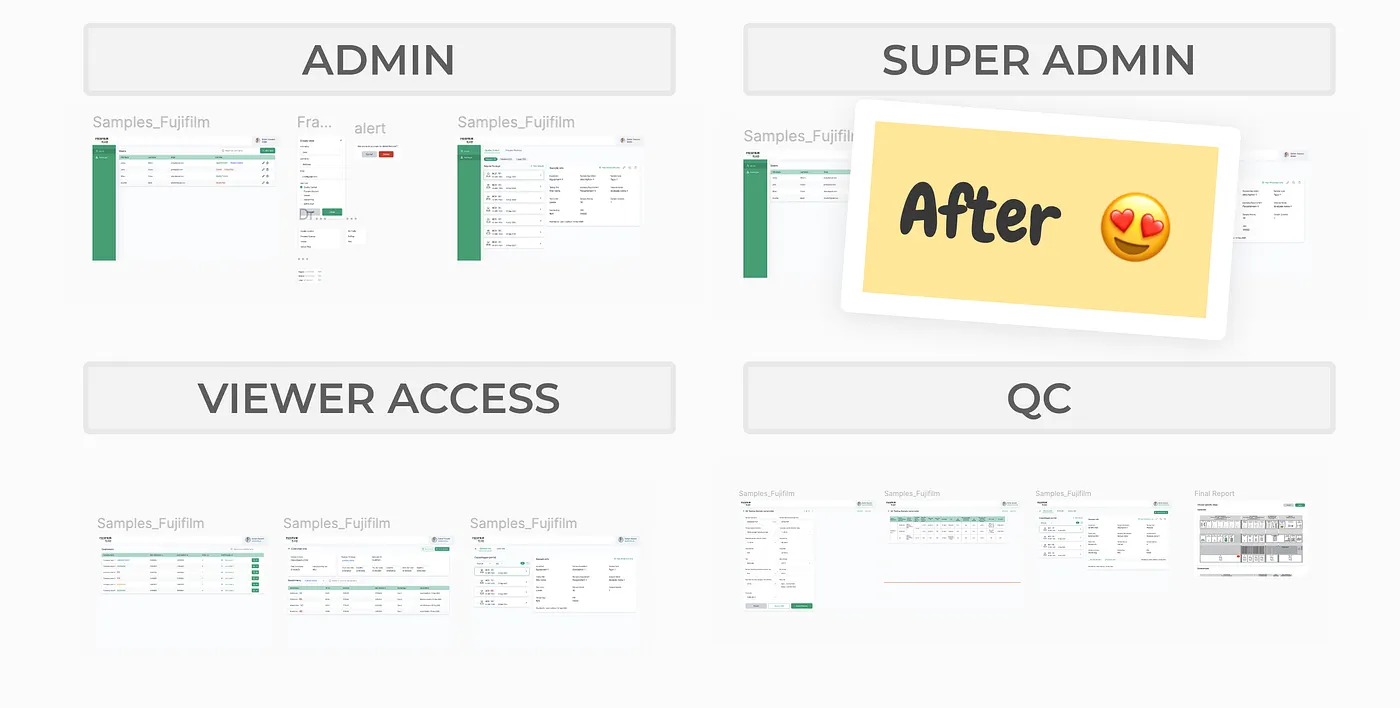
- Dynamic Role-Based UI: Tailored dashboards for Admin, Scientist, QC, and Viewers.
- Atomic Organisms: Reusable, complex UI patterns that maintain consistency across workflows.
- Data-Driven Hierarchy: Logical mapping of 'interconnected data' to simplify nested tasks.
- Lab Mobility: PWA-like performance with saved sessions and cached data for on-the-go ops.
- Thick Data UX: Qualitative insights used to make high-tech tools feel 'fun to use'.
The Resulting Transformation
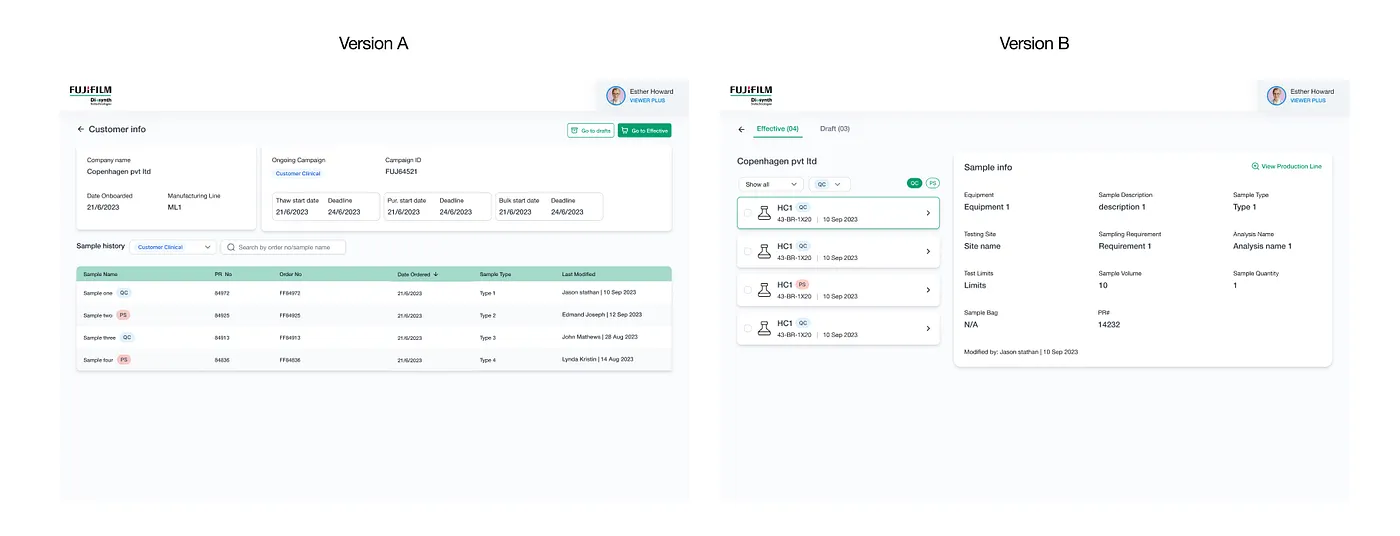
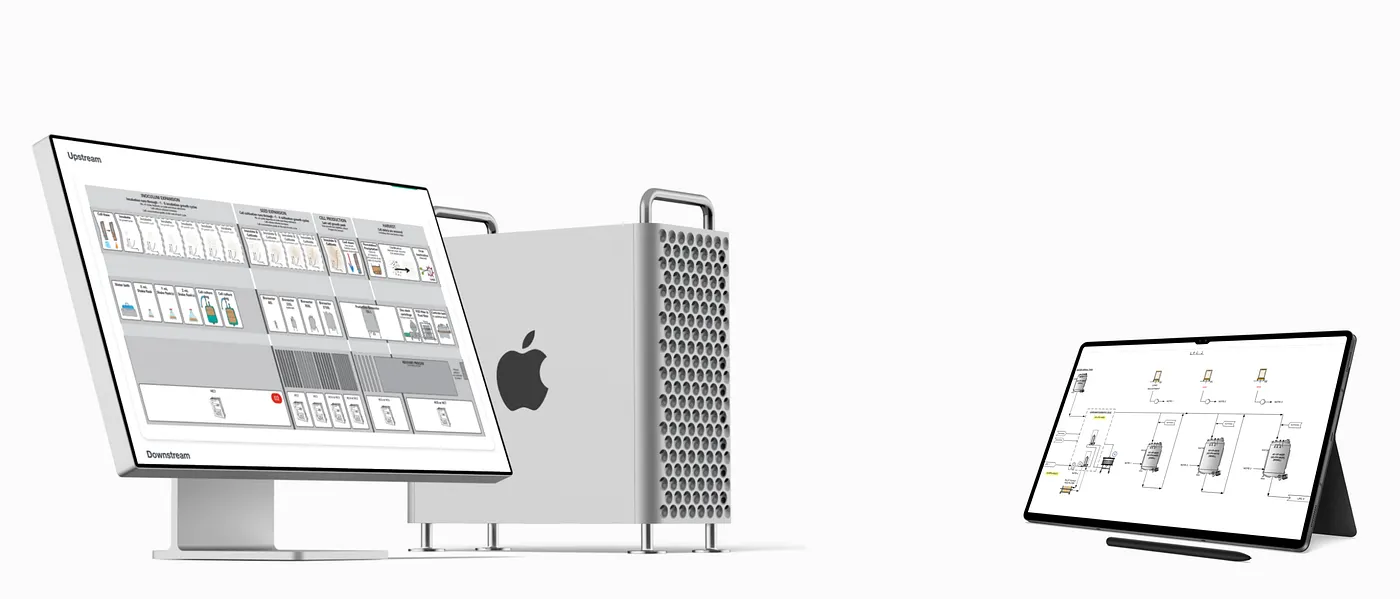
Transformed wireframe chaos into a comprehensive, high-performance dashboard. The final product turned a biotech 'mess' into a system where everything finally 'makes sense', resulting in high user satisfaction and improved operational speed. More importantly onboarding time was reduced by 70%.